
Blog – old
Uncovering Your Blindspots as a Facilitator


Related Posts
Working With Strengths: A Powerful Metaphor You Can Use as a Coach or Trainer
For trainers, facilitators & coaches who want a flexible strengths...
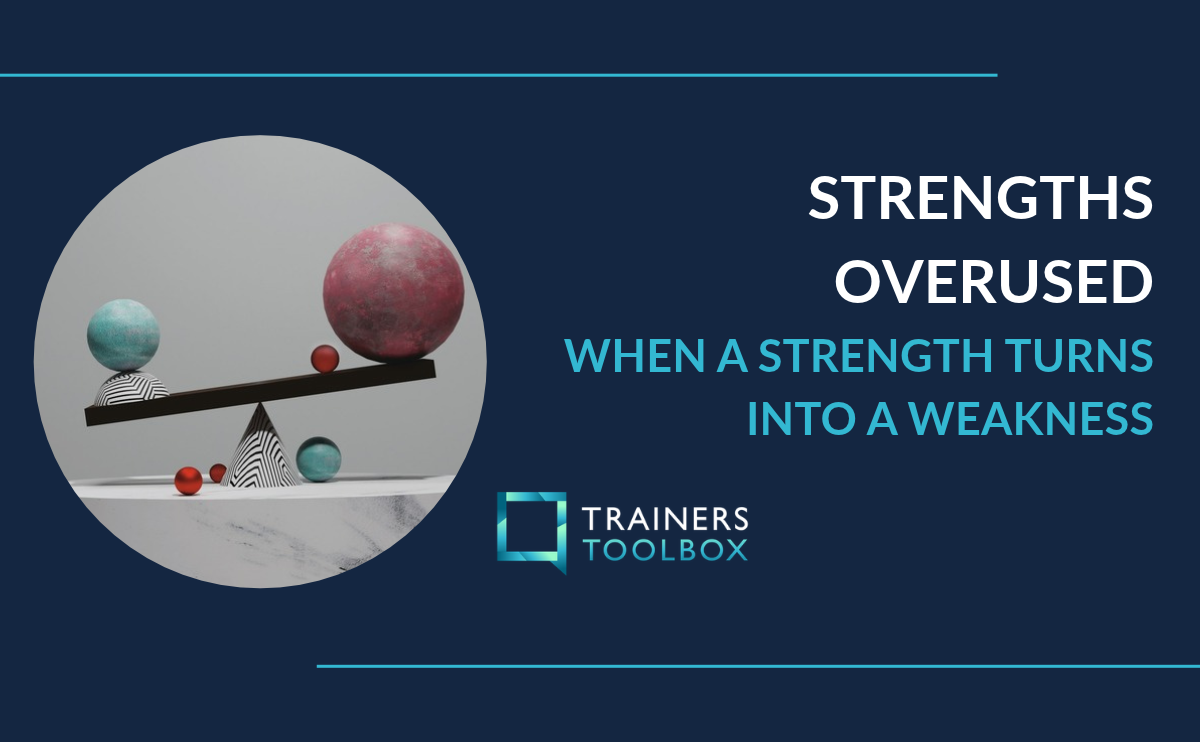
Strengths Overused: What to Do When a Strength Turns Into a Weakness
A four-step model for making the most of your strengths...
Working With Strengths: A Practical Guide for Trainers & Coaches
Everything a trainer or coach needs to work with strengths...
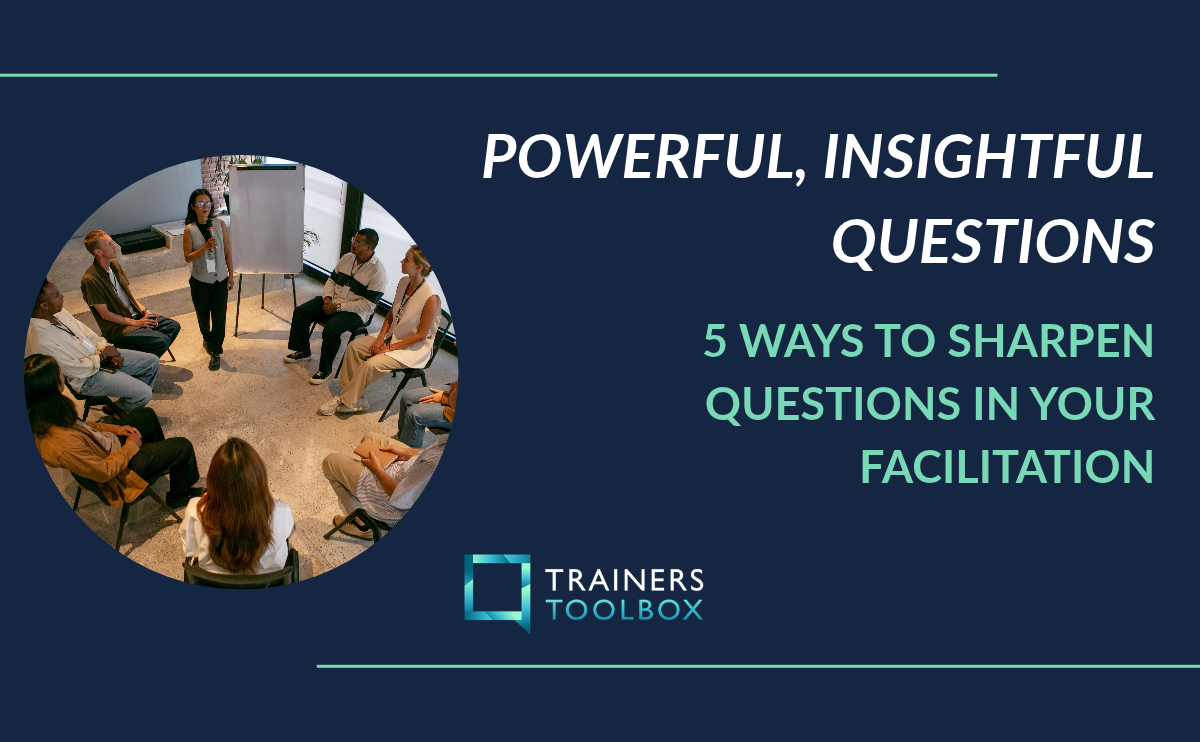
Powerful, Insightful Questions: 5 Ways to Sharpen Questions in Your Facilitation
For trainers and facilitators who want their questions to spark...
Why Work With Strengths? What Trainers & Coaches Gain From a Strengths-Based Approach
For trainers, facilitators & coaches wondering what advantages a strengths-based...
A Story Framework for Building Trust in The Room
For trainers and facilitators who want their personal stories to...
Why Your Best Ideas Often Make a Workshop Worse
For trainers and facilitators who want one habit that sharpens...
The AI-Proof Trainer: 5 Deeply Human Anchors to Strengthen to Bulletproof Your Training Career in the Age of AI
The five deeply human parts of a trainer's work that...
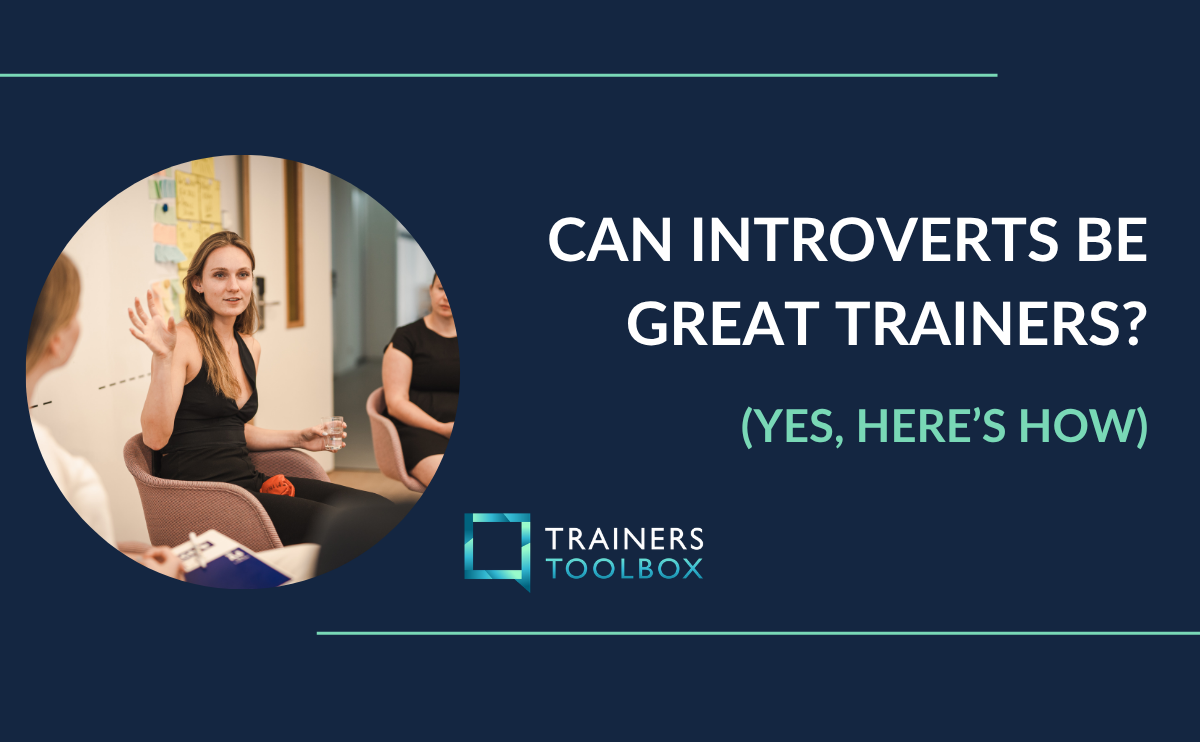
Can Introverts Be Great Trainers? (Yes, Here’s How)
You do not need to be loud to be a...
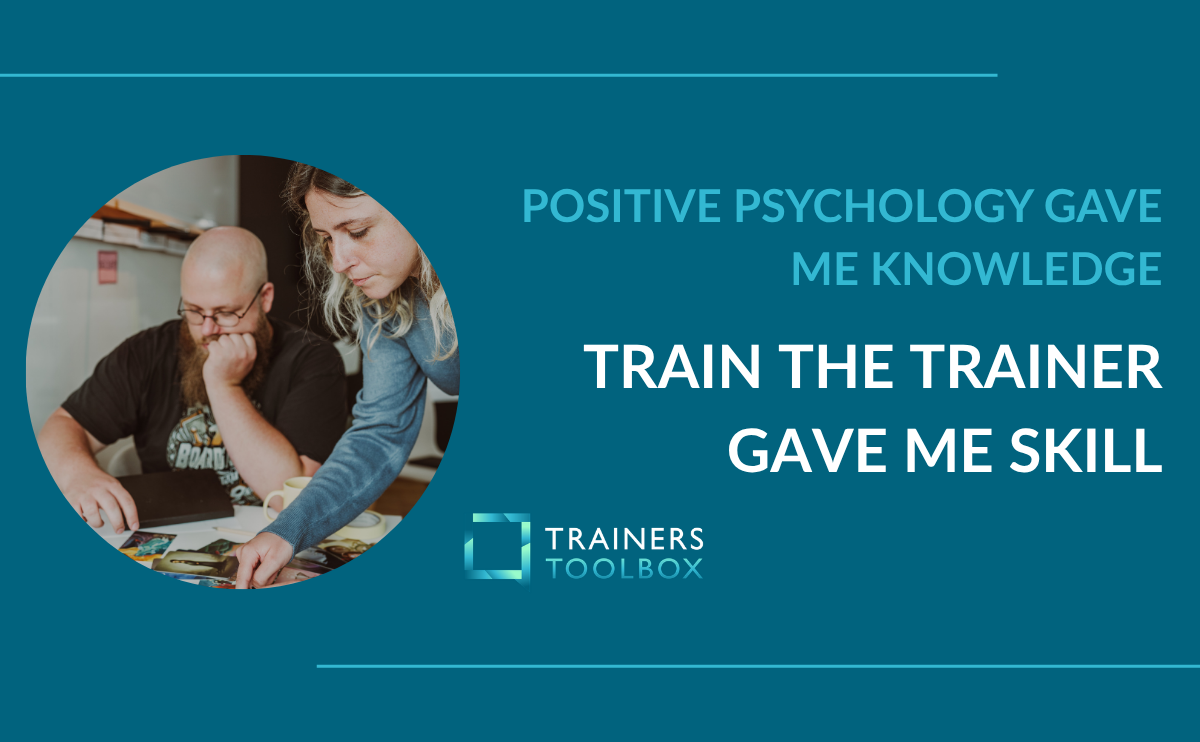
Positive Psychology Gave Me the Knowledge. Train the Trainer Gave Me the Skill
Designing Learning Experiences That Create Real, Lasting ChangeThis is the...
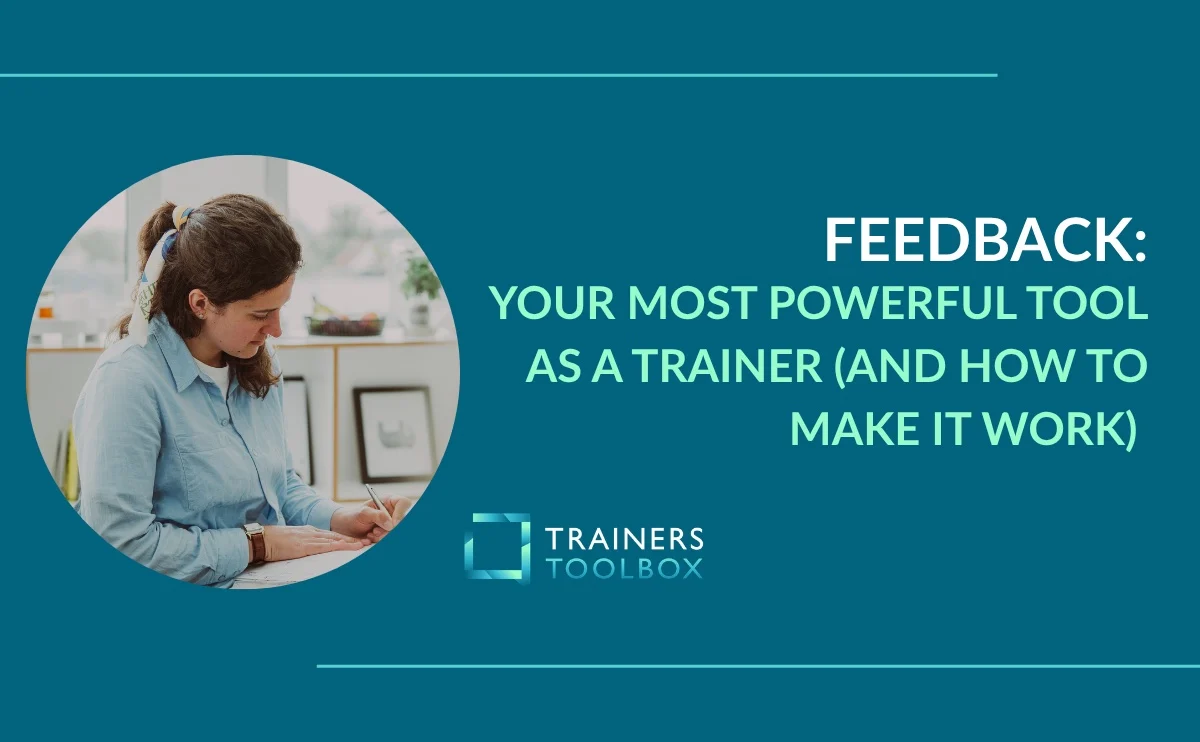
Feedback: Your Most Powerful Tool as a Trainer (and How to Make it Work)
For trainers and facilitators who want help their participants grow...

The Best Communities for Trainers and Facilitators
For trainers and facilitators who want to grow their skills,...